1. Start with the role real estate plays in the portfolio
Before looking at a single project, be clear about what the allocation is for. Income? Capital growth? Diversification away from listed markets? A home base for the family, or residency? Each answer points to different emirates, asset types and holding periods — and to a different tolerance for illiquidity.
2. Treat each emirate as a separate market
| Emirate | Typical profile |
|---|---|
| Dubai | Deepest liquidity and international demand; the widest choice of freehold areas. Transactions exceeded AED 431 billion in the first half of 2025 alone. |
| Abu Dhabi | Freehold for foreigners in designated investment zones; a capital-city, more end-user-driven market. |
| Sharjah | Freehold for all nationalities in designated projects; record trading value of about AED 65.6 billion in 2025. |
| Ajman, RAK, UAQ | Lower entry prices; Ras Al Khaimah's coastal and hospitality-led growth has made it one of the most active off-plan markets. |
3. Choose the asset type deliberately
- Off-plan residential: lower entry and staged payments; delivery and supply risk.
- Ready income assets: immediate yield; pricing is fuller and tenant management matters.
- Land and development JVs: highest potential return; needs the right partner and structure. See how landowner JVs work.
- Bulk and off-market deals: developer inventory or portfolio sales at negotiated terms — accessible mainly through relationships.
4. Get the structure right early
Ownership vehicle, financing, succession and reporting should be decided before acquisition, not after. Holding structures available in the UAE (and how they interact with your home jurisdiction) are a question for your legal and tax advisers — but the property strategy should be designed with them, not handed over at the end.
5. Underwrite like a lender
- Developer track record on completed — not launched — projects
- Escrow, registration and contract terms
- Payment-plan cash flow against the family's liquidity needs
- Supply completing nearby over the same period
- A realistic exit price and the buyer pool for it
My off-plan due-diligence checklist covers this in more detail.
6. Plan the exit at entry
Liquidity in UAE real estate varies enormously by location and product. Know who your eventual buyer is — an end user, another investor, or an institution — and what has to be true for them to pay your target price.
From my banking years: the best real estate decisions I've seen were made by families who wrote down their objectives and constraints first, and judged every opportunity against them. The worst were made because a launch was "selling fast".
Frequently asked questions
Why are family offices investing in UAE real estate?
The UAE combines strong transaction volumes, freehold ownership for foreigners in designated areas and a growing population — alongside a large and growing family office community in Dubai and Abu Dhabi.
Which emirate is best for real estate investment?
It depends on objectives. Dubai offers the deepest liquidity; Abu Dhabi a more end-user-driven capital market; and the Northern Emirates lower entry prices with earlier-stage growth. Each should be underwritten on its own fundamentals.
Should a family office buy off-plan or ready property in the UAE?
Off-plan offers lower entry prices and staged payments but carries delivery and supply risk; ready assets provide immediate income at fuller pricing. Many portfolios hold both, sized to the family's liquidity needs.
Want this applied to your situation? Message me on WhatsApp or book a free consultation.
Related reading
Sources: Times of Oman / Gulf Today reporting on Dubai's AED 431bn H1 2025 transactions; Gulf News on Sharjah's AED 65.6bn 2025 trading value; Al Tamimi & Co. on Abu Dhabi foreign ownership reform (2019).
This article is general information, not legal, tax or financial advice. Rules, prices and fees change — confirm current requirements with the relevant authority or a qualified adviser before you commit.
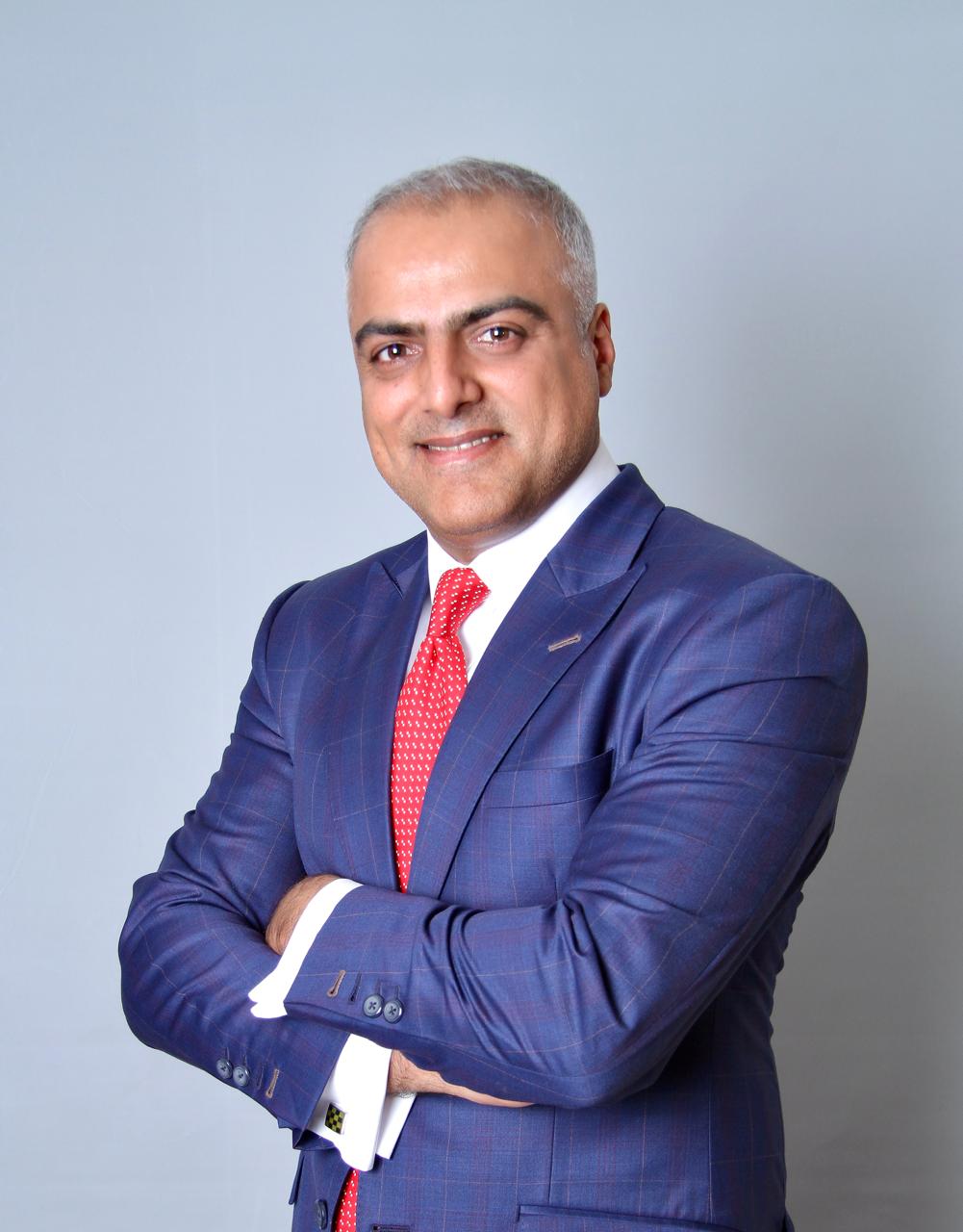
Fardan Khalid is a real estate capital and investment advisor in the UAE, with 20+ years in private banking and wealth management at Standard Chartered, Barclays, Citi, HSBC and First Abu Dhabi Bank, and current roles at H&S Real Estate and DECA Properties. More about Fardan →